
What makes a brand partnership actually work?
I’ve been thinking a lot about brand partnerships lately. It started with a fairly simple observation: that the ones that seem to really resonate have a person at the heart of them. That could be a creative founder, an artist, a designer, or an artisan maker — someone with a distinct point of view who gives the partnership personality and makes it feel like more than two brands putting their logos together.
But then I saw the Miffy x Grind collaboration. There’s no human at the heart of this one, which is when I realised that it doesn’t necessarily need to be a person. I think it needs to be a character. A person, a character, or something with a recognisable personality, point of view or cultural meaning that gives the partnership not just a reason to exist, but something more interesting that catches an audience’s attention, and causes a proper reaction.
A closer look at Miffy x Grind
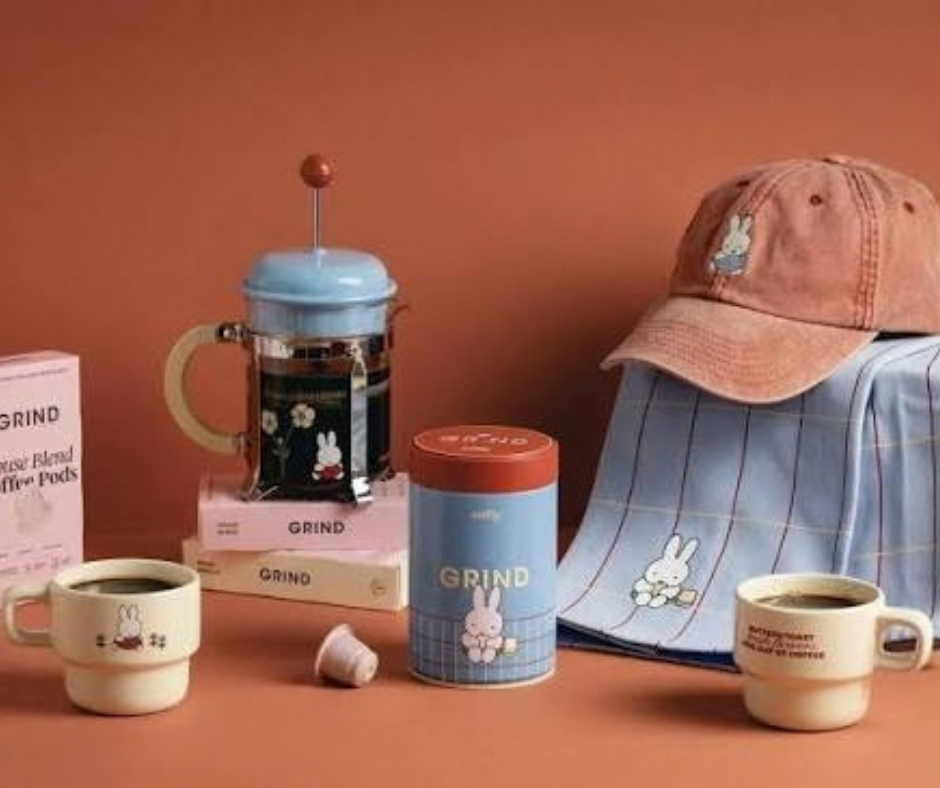
Image credit: Grind
I love this recent partnership and it’s a great example of best practice — the recent Miffy x Grind coffee collaboration.
On the surface, it’s a coffee brand partnering with a much-loved character. But what makes it work isn’t simply that Miffy is instantly recognisable or looks very cute on a Grind cup (both of which are true). There’s a genuine idea connecting the two. Grind talks about the collaboration as a way of bringing a little joy into your daily routine, and that makes complete sense. Coffee is already a small daily ritual; Miffy brings a sense of playfulness, nostalgia and simple joy to it.
Suddenly, it isn’t just Grind has put Miffy on some products. There’s a bigger idea behind it.
It’s not a complicated idea, and it doesn’t need to be. And that, to me, is what makes a partnership interesting.
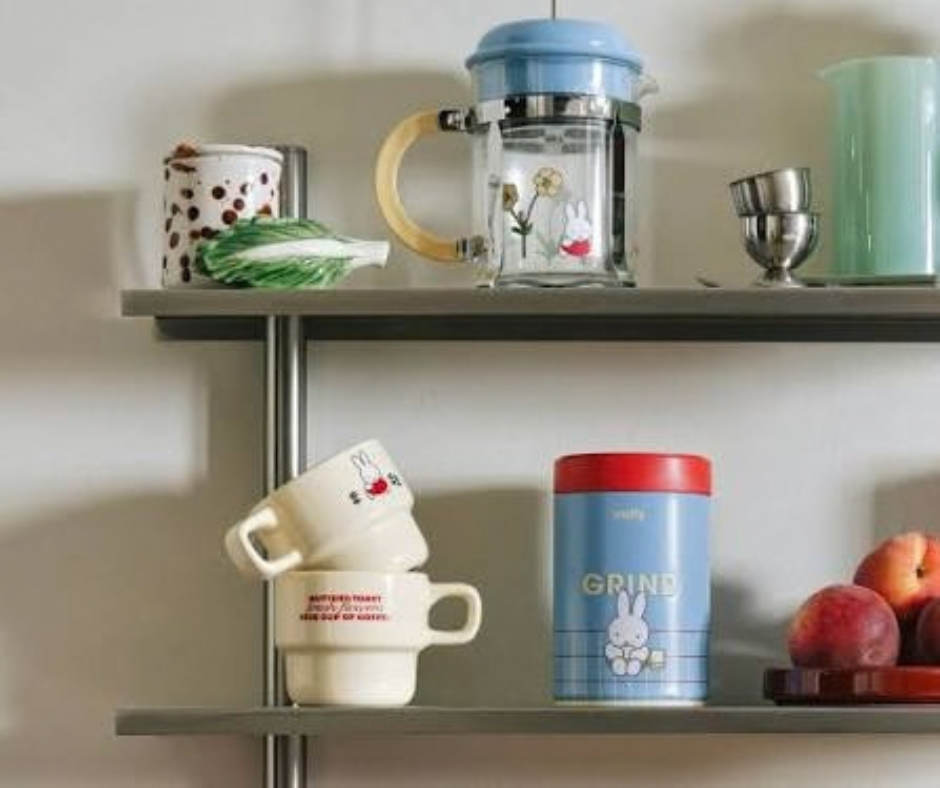
Image credit: Grind
It doesn't have to be a huge collaboration
I think brands can sometimes overcomplicate partnerships. When we talk about collaborations, we tend to imagine the big stuff: months of product development, a limited-edition collection, a launch campaign, events, PR and lots of moving parts.
And those can be brilliant — often the ones I talk about myself including this one. But you don’t need to design a new product together to make a partnership worthwhile. There are lots of lighter-touch ways to work together. For example:
A hotel could invite a ceramicist to create a beautiful breakfast experience.
An textile or wallpaper brand could partner with an artist to create a limited collection.
A skincare brand could partner with a beautiful hotel for a weekend experience.
The format can be almost anything. What matters is that the partnership adds something.
Why I think partnerships are so powerful
For the kinds of brands I tend to work with — premium, founder-led, design-focused businesses — there’s often a relatively small pool of people who are the right customers, and lots of brands are trying to reach them.
Rather than every brand trying to build an audience entirely on its own, a good partnership gives you the opportunity to borrow attention and trust from someone who already has a relationship with the people you want to reach. That could mean access to a new audience, but it could also mean something else you don’t already have: brand kudos, a different cultural world, a new setting or a trusted voice.
The best partnerships create a genuine exchange of value between both sides.
So, what should you look for when planning a partnership?
1. Audience alignment
Do you genuinely share a customer? Not just demographically, but culturally. You want some overlap in taste, interests and worldview, otherwise you’re simply putting two audiences together because the numbers look attractive.
2. Something you don’t already have
What does the other side bring that you couldn’t easily create yourself? Look for the gap. What could they give you — or you give them — that would make both brands more interesting, visible or desirable?
3. A character at the heart
Who gives the partnership its personality? It could be a founder, designer, artist, chef, maker or tastemaker. Or it could be a character like Miffy, with enough cultural meaning and personality to give the collaboration a distinct point of view.
4. A natural fit
Ask yourself: Why these two? Why now? The strongest partnerships have a logic to them that feels almost inevitable once you hear it, not because the brands are identical, but because there is an interesting connection between their worlds.
5. Something people will actually care about
This is the final test. Would someone find the idea interesting (or fun) if they had never heard of either brand? Is there something to discover, experience, enjoy or share? The best partnerships don’t just give you another piece of content to publish, they give you something worth talking about.
Find someone interesting to stand beside
I think that’s why I’m increasingly interested in partnerships. When everyone is competing for attention from the same people, finding another brand, person or character that your audience already cares about means you can create something neither of you would have made alone, and I don’t think that many brands are doing this to its full potential.
It doesn’t have to be complicated. It just needs to be a natural fit, bring something new to both sides and, in my view, have a character at its heart.
Enjoyed this?
I write The Sunday Post — a monthly dose of ideas and insights to set brands apart. If you like thinking about brand, culture, storytelling and the things that make people pay attention, you can sign up here.
And if you’re looking for a strategic brain to help shape your brand story or find your next big idea, you can explore my brand communications consultancy here.