
I've been doing a lot of deep dives (is that marketing speak? Sorry…) into brand identities and Instagram feeds this year, and I’ve noticed how many brands are looking pretty similar. All beautifully shot, beautifully written, and very tasteful. But sometimes I'm scrolling past thinking… where's the personality?
I get it. When you've spent a lot of time and money creating a premium brand, the last thing you want is to take too much risk. But I do wonder whether all that carefulness can become a problem in itself.
Because if you're constantly playing it safe, you're probably doing a lot of the same things as everyone else. The same sort of photography, the same language, the same expected collaborations. None of it is necessarily bad. It's just not particularly memorable, either.
And this matters commercially, not just creatively. If people can't easily tell you apart from other brands in your category, why would they choose you? Especially if you're a smaller business trying to compete with brands who have far bigger budgets.
So increasingly, I’ve been thinking that a little more playfulness, or just being willing to do something unexpected, can be such a good way of showing personality. And personality is often what makes us feel drawn to a brand in the first place, though to be clear, I’m definitely not suggesting every brand needs to start cracking jokes or jumping on viral social trends.
I talked recently about Grind's collaboration with Miffy, which I loved. I mean, a coffee brand and a children's book bunny? Not the most obvious pairing. But the limited-edition mugs, coffee tins and other bits made perfect sense when you saw them together. Grind has a very recognisable look, and Miffy brings this lovely sense of simplicity and fun. It made an ordinary coffee moment feel a bit more special, without feeling like a random licensing exercise.
I think that's the important bit. A playful idea still needs to make sense for the brand. If you've got a clear idea of who you are and what you stand for, you can afford to go off in a slightly unexpected direction. If you haven't, it risks either looking like you've just latched onto something because everyone else is doing it, or it looks entirely random, and leaves people thinking, ‘ummm, what?’ at best, and that’s if they even bother to register it at all (harsh, but I think true in this day and age).
And luxury brands? Granted, I’m not a luxury brand expert, but I feel like this is where there's so much room to loosen up a little. Of course, heritage, craftsmanship and beautiful imagery are important. But does everything have to be so serious?
It's why I'm such a fan of Anya Hindmarch. Those googly eyes! The playful pop-ups! There's a sense that the brand really enjoys being creative, and it's confident enough in its own identity to have fun with it. I find that much more compelling than another perfectly polished campaign that could belong to any number of luxury labels.
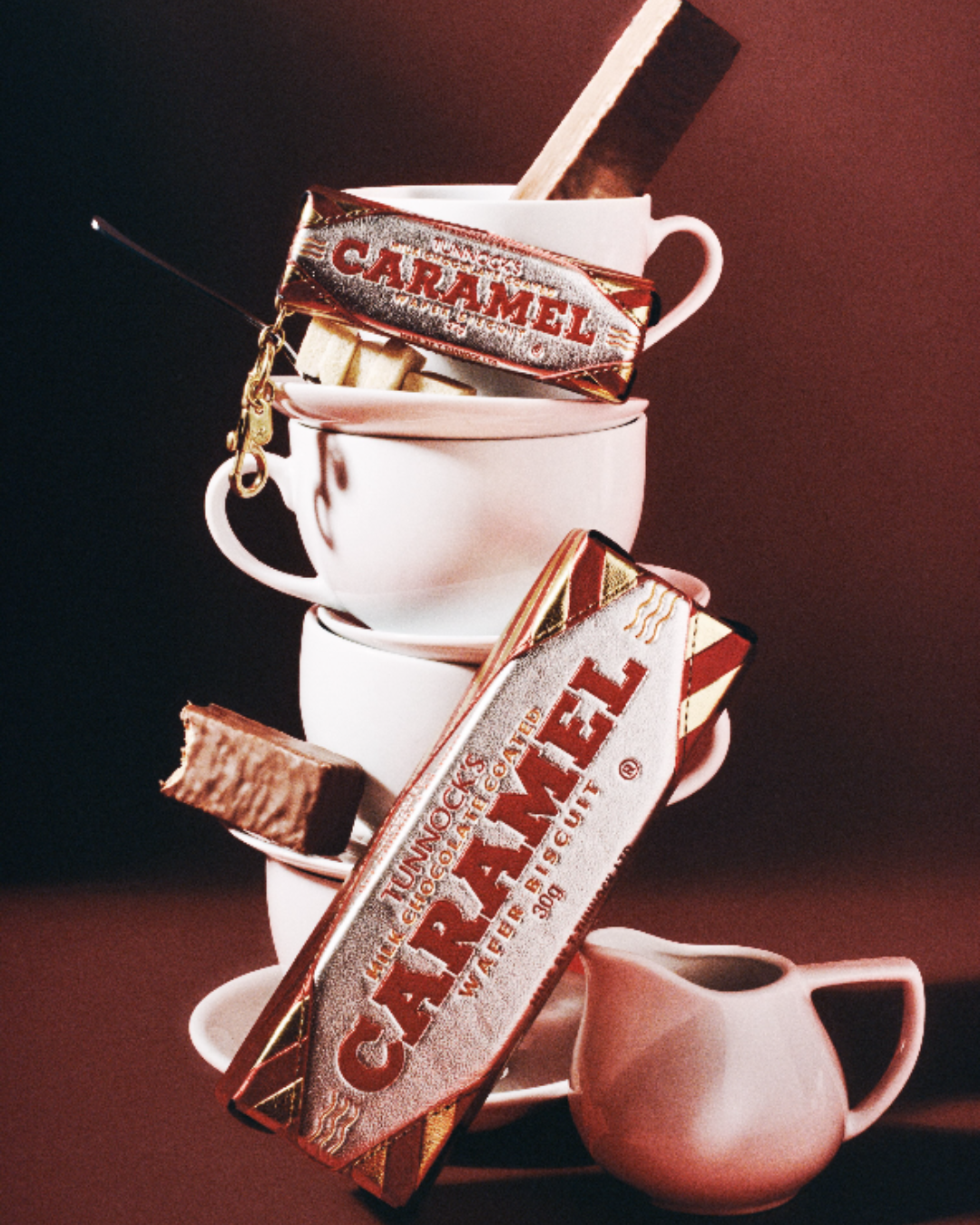
The Anya Hindmarch Tunnock's Caramel Glasses case
I also spotted a lovely Polène project with visual artist Helga Stentzel on Instagram recently. Her work makes you look twice at everyday objects, turning them into these wonderfully unexpected visual illusions. I loved seeing that sort of imagination brought into the world of a luxury handbag brand. It wasn't shouty or trying too hard. Just something a bit different.
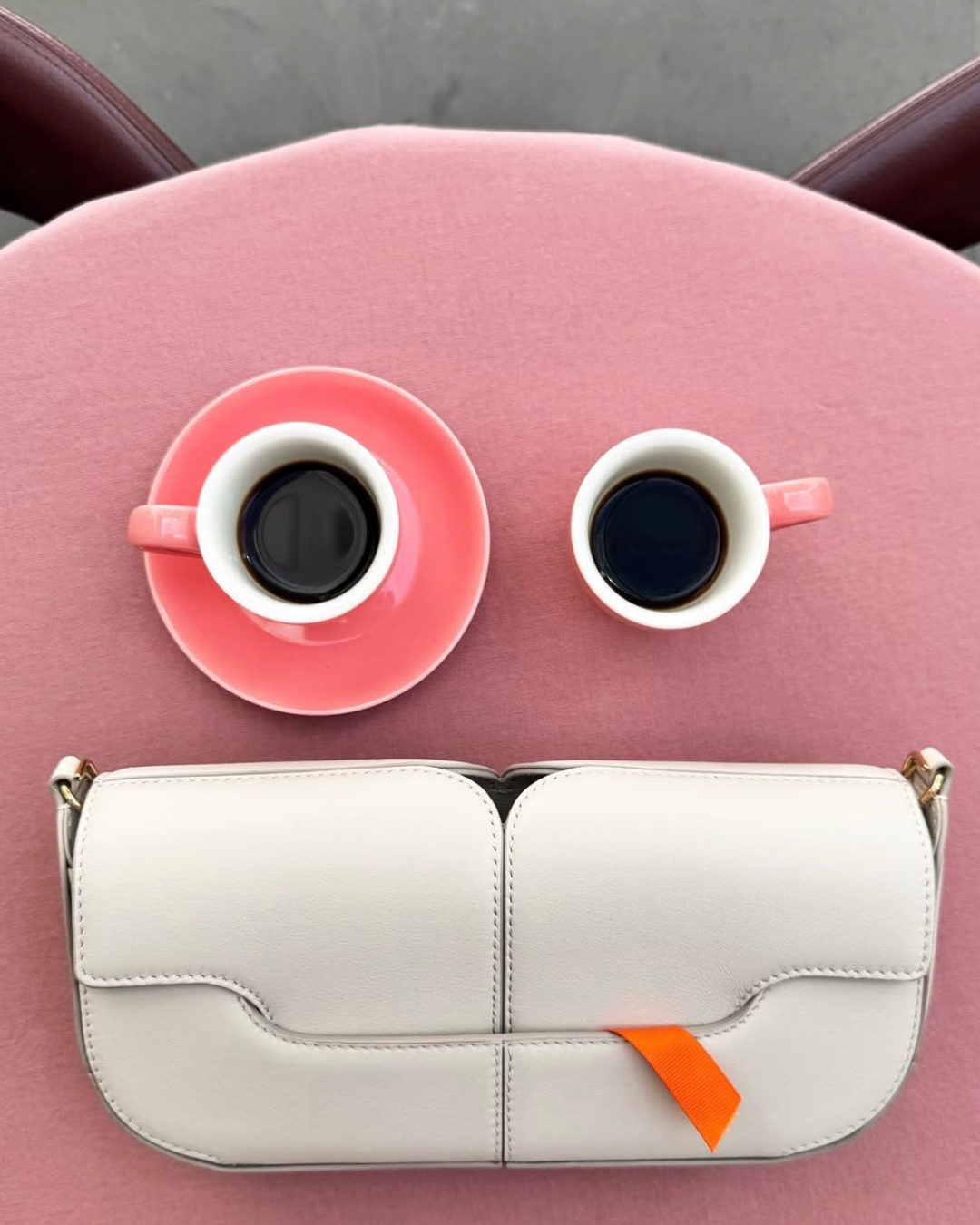
Polène Paris by visual artist Helga Stentzel
And it's one of the reasons I wanted to interview photographer Polly Brown for this month's Answers on a Postcard interview. Polly has such a brilliant eye for the odd or overlooked moment, and we talked about the photographs she'd once considered failures — but later realised had something rather lovely about them. Sometimes the technically 'wrong' picture tells you more than the perfect one.
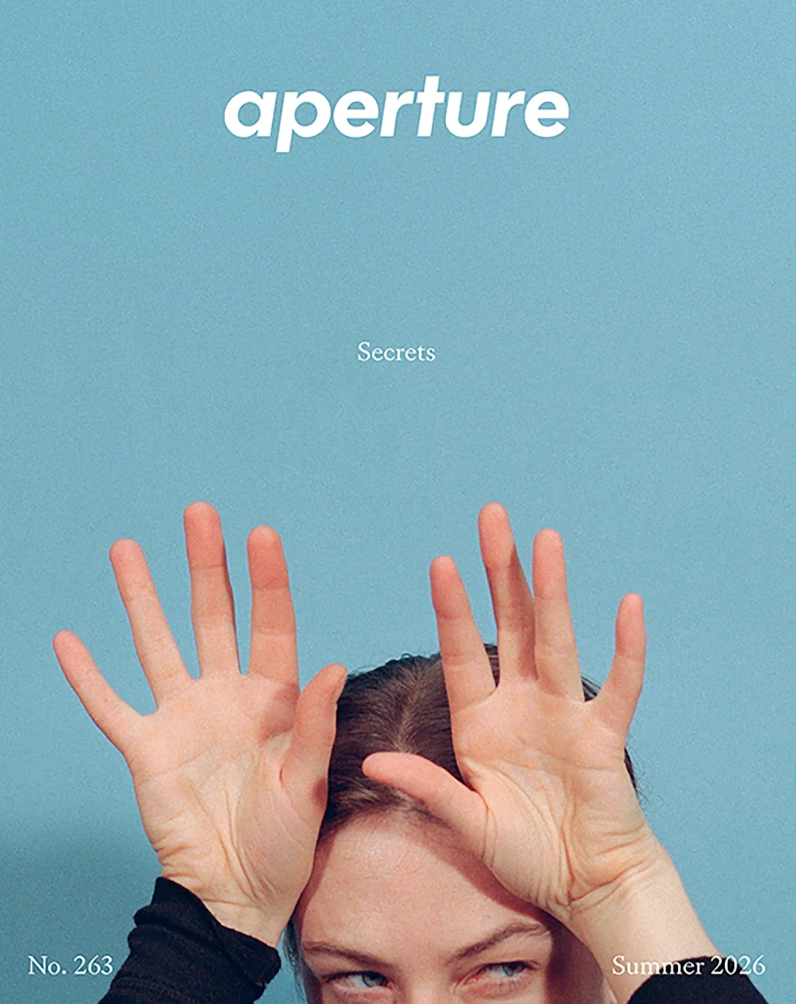
Photographer Polly Brown’s Gestures project, as featured in photography publication Aperture
That feels especially relevant now, when we're surrounded by images that are increasingly polished and perfected. Surely a bit of humour, imperfection or surprise is even more valuable when everything else is beginning to look the same.
Of course, there's a balance. I'm not saying throw your brand guidelines out of the window (I spend quite a lot of my working life helping people establish those!). But I do think being really clear about your brand should make you more confident about trying new things, not less.
Perhaps that means an unexpected collaborator, a more characterful photograph, or simply asking whether the way your sector has always done something is actually the way you need to do it.
I'd just love to see a few more brands give themselves permission to have fun. Because being premium and having a personality really aren't mutually exclusive.