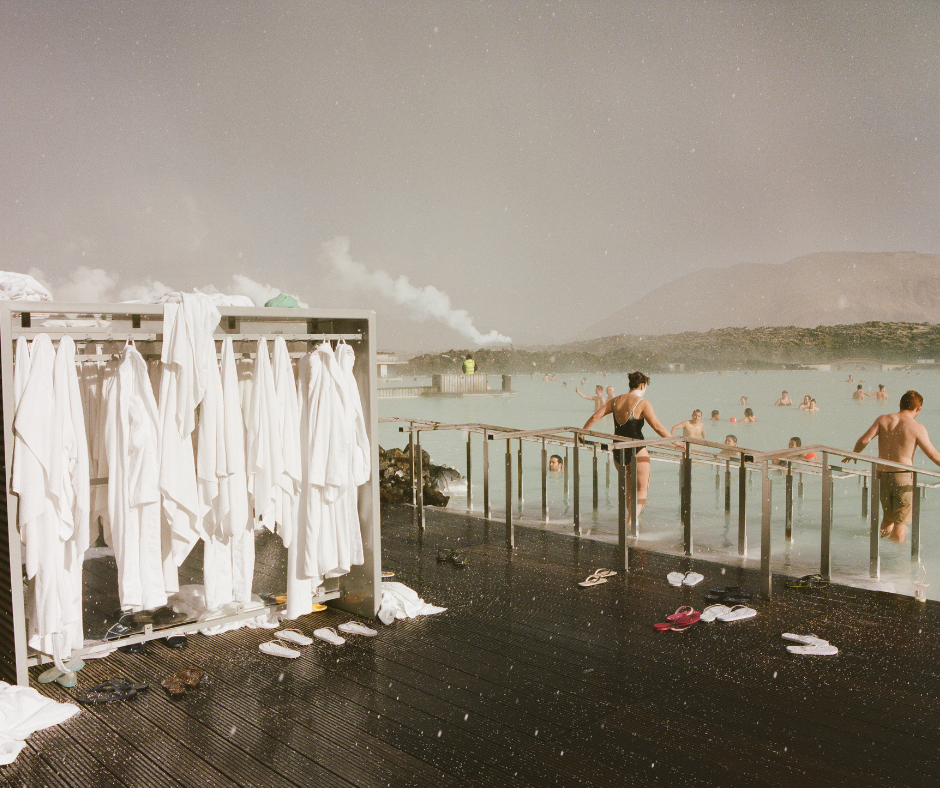
There's something refreshing about photography that doesn't take itself too seriously. Particularly in a world of increasingly polished, perfected imagery, where luxury brands can sometimes seem to follow the same visual rulebook.
Photographer Polly Brown has shot for the likes of Gucci and Loewe, as well as Frieze, The New York Times and AnOther. Her work has a distinctive sense of personality and play, with an eye for the odd, the overlooked and the unexpectedly human. I also had the pleasure of working with Polly on projects during my time at Mr & Mrs Smith — she was great to work with, and brought an independence and entrepreneurial flair to the project, acting as her own model when the shot commanded it, and doing a lot of solo travel which isn’t for everyone, especially when the brief is about the world’s most romantic hotels...
Anyway, for this edition of Answers on a Postcard, I caught up with Polly to talk about finding beauty in mistakes, the delicate art of humour, why imperfection can make us stop scrolling, and the particular creative freedom of a long-haul flight.
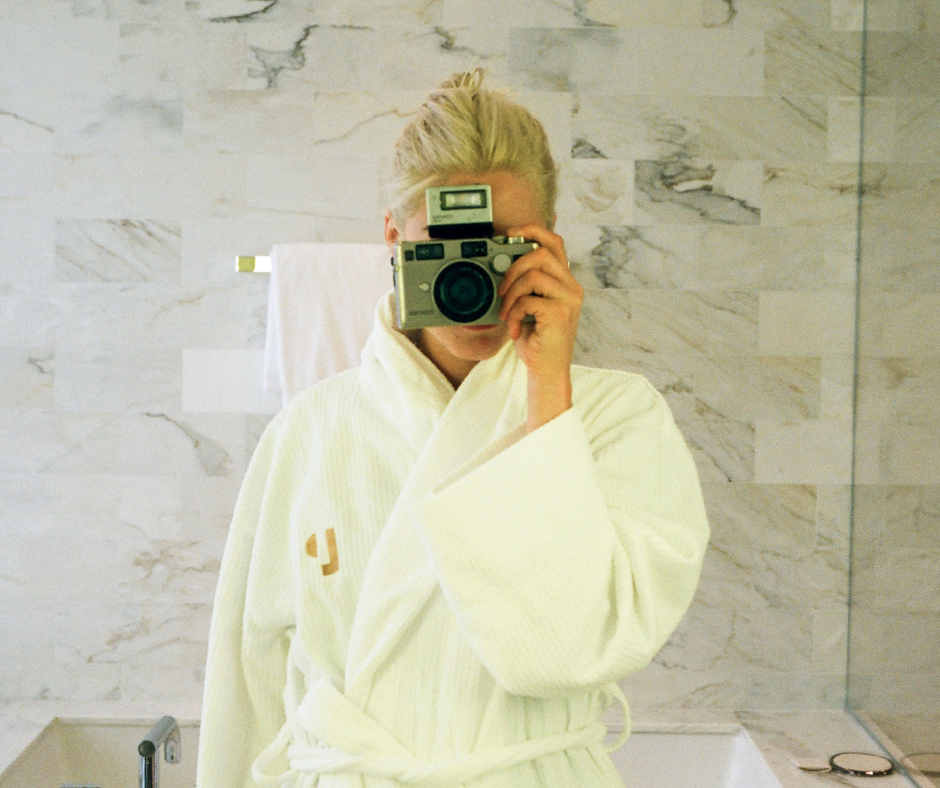
Tell me about your work and your approach to photography. What are you trying to capture beyond the obvious, or beyond the brief?
My approach to photography has always been very much based in the world of play and instinct. I like to work with a brief as a starting point but then let my mind and camera drift to the unobserved or the missed moments of a scene.
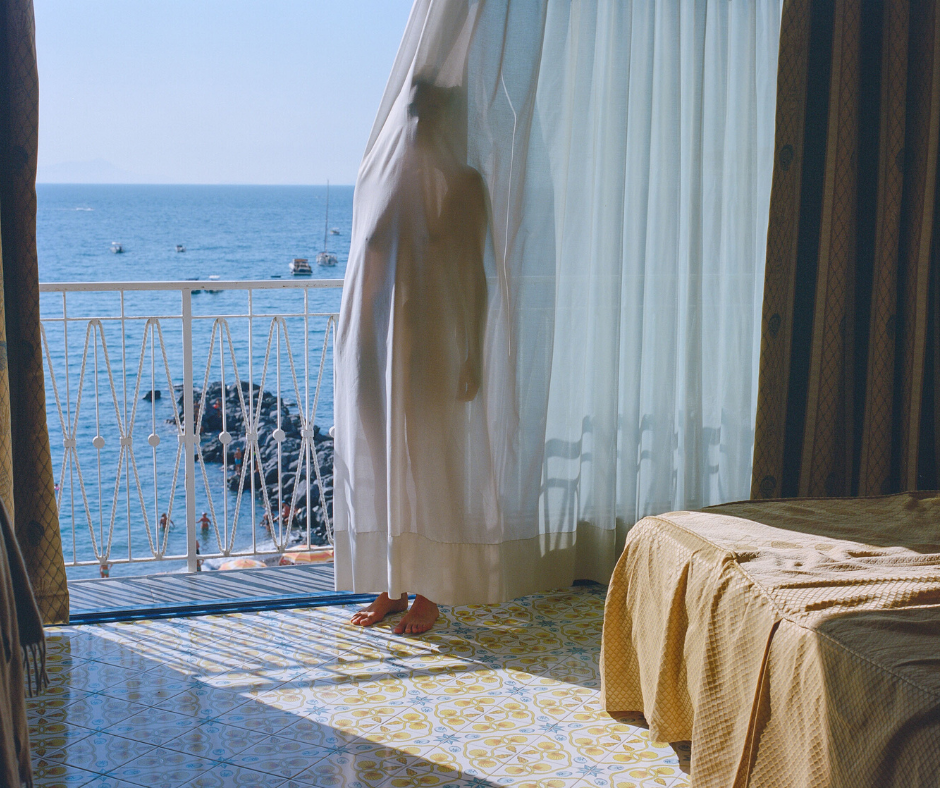
Your work has such a strong sense of personality, quirk and humour. Where does that come from? And does humour change the way you see a subject?
It probably comes from some deep-seated form of self-deprecating Englishness but yes, I have always been drawn to images or artworks that have an element of humour or play. I like the conversation it instils between the maker and the viewer. It makes you acutely aware of something human that exists beyond the image. I think humour can change the way you see a subject but it is a delicate balance to make that humour poetic. Using playfulness as a lens to actually explore more complex dichotomies or emotions.
Luxury and premium brands can sometimes feel like they're following the same visual rulebook. What do you think they could learn from humour, imperfection or a bit of the unexpected?
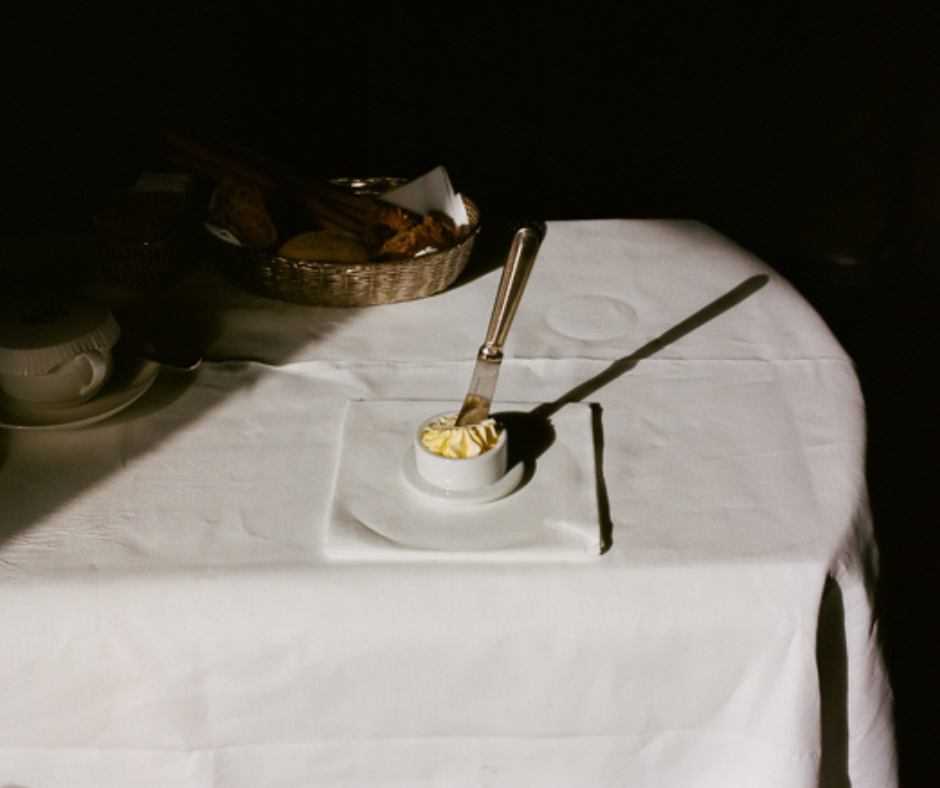
I think people have become very attuned to the skills of Photoshop or AI and are now looking for the 'real' within images. This is found in the imperfections or the unexpected. A crack might make people stop and look for longer in a world scrolling at pace. Similarly, with the creation of aspirational advertising imagery, people are so exposed to them that now an image which is going against the normal tropes of luxury really stands out.
What's the most unexpected thing that has inspired your work or changed the way you see something?
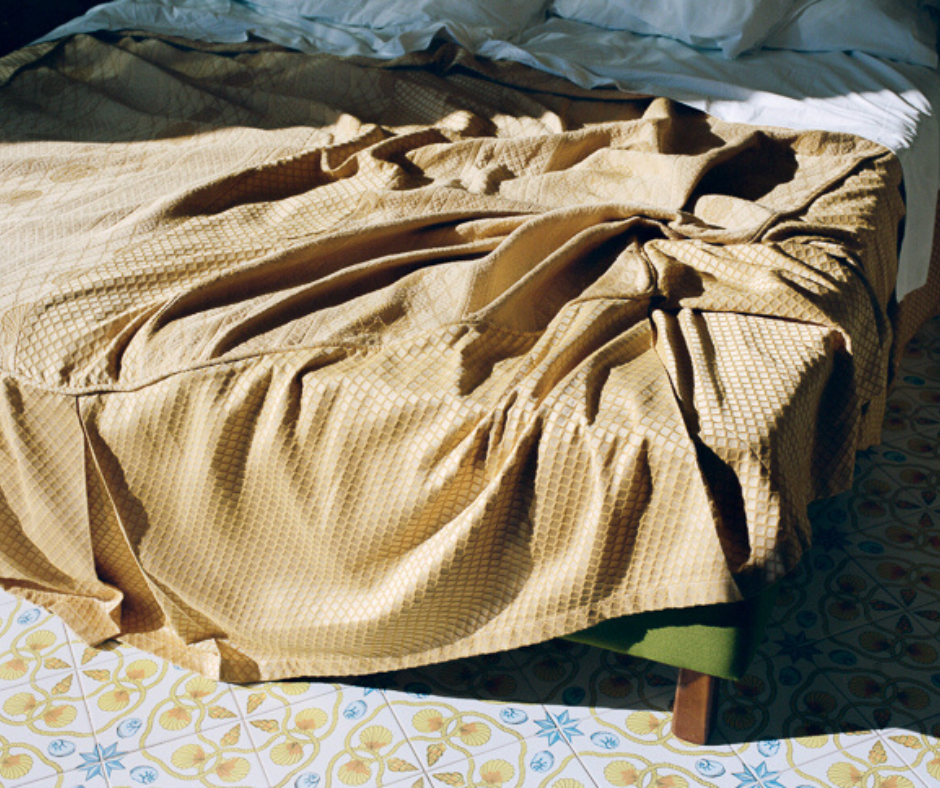
The greatest unexpected inspiration to my work has been my own failures. Failed projects, failed photographs. At some point I realised there was a kind of beauty in my images which I had deemed failures or technically 'wrong'. Within them, they somehow captured a human attempt to create. I was inspired by what was in fact not in the image but was part of the making of the image.
Is there a brand, artist, photographer or piece of work that you think gets personality exactly right? What do you love about it?
I'm a massive John Baldessari fan and everything about his piece Wrong is perfect in my eyes.
Where in the world do you go to feel inspired, and what would you tell us on a postcard from there?
I have my best ideas on aeroplanes. I love the incubated isolation of a solo long-haul flight.
My postcard would be from somewhere high in the sky and it would probably just say 'P x'.