
Everyone’s doing merch — but should they be?
I’ve been noticing a lot of brands launching merch lately, which got me wondering — why? When does it work? And when does it fall just a little flat? What is it that makes merch a smart addition to a brand-building strategy, rather than a slightly random bolt-on?
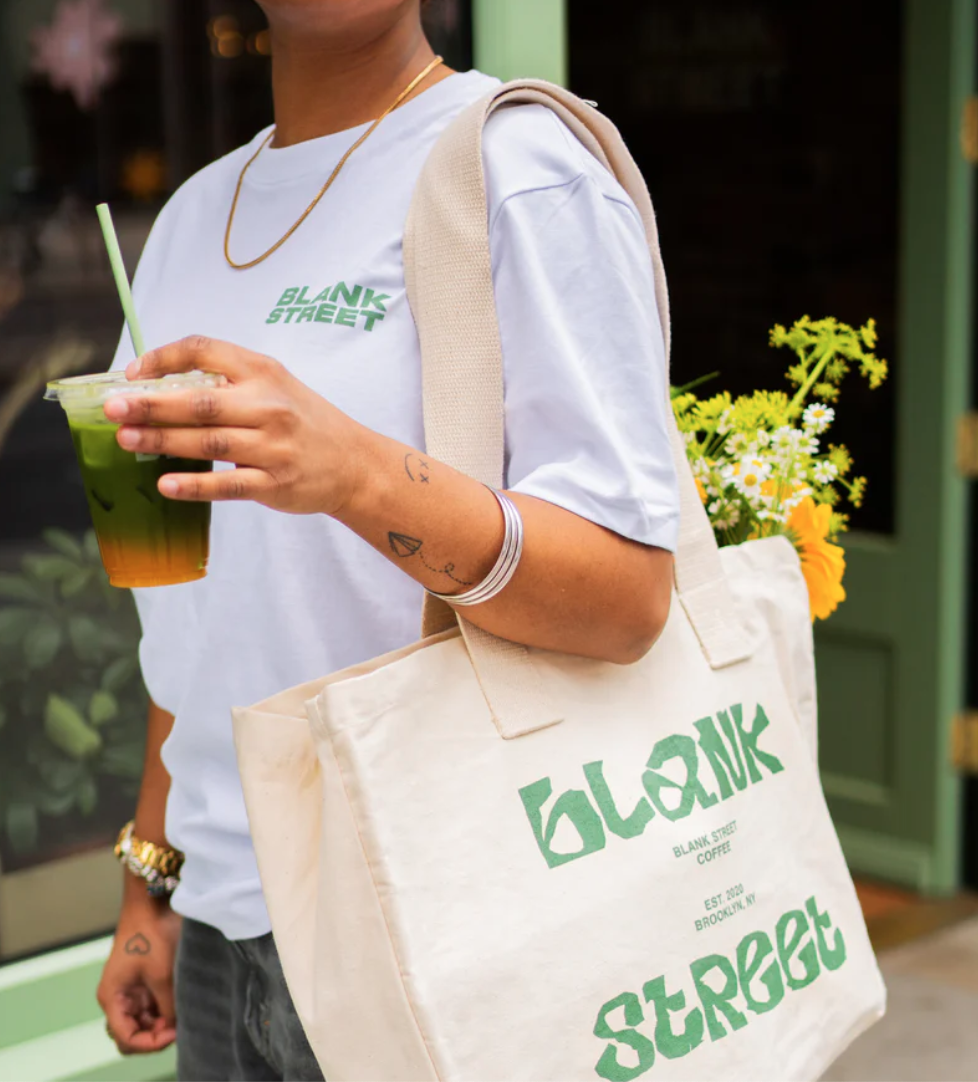
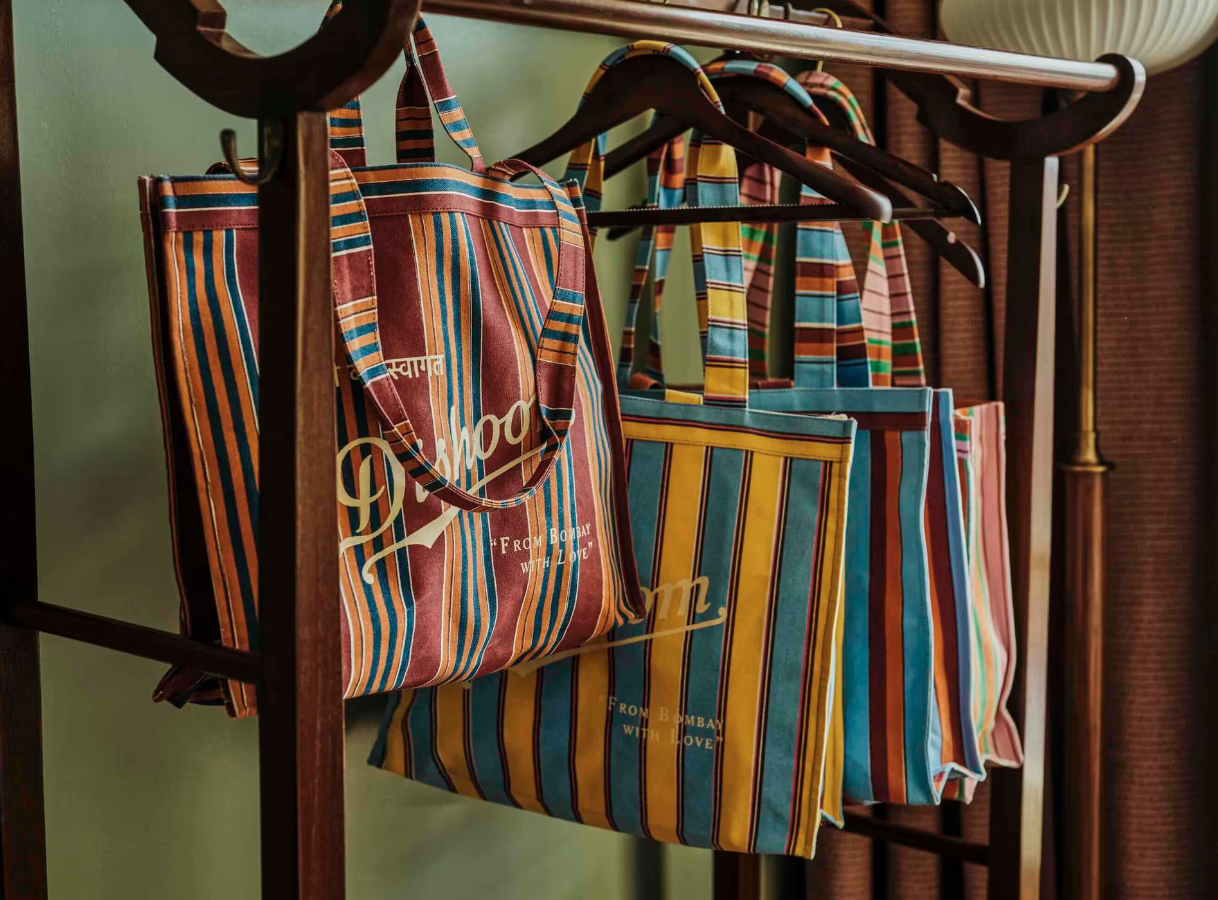
We’re a long way from the days of ordering branded biros or stretching the budget to put your logo on a memory stick. Lately, the coolest brands are dipping their toes into branded goods that sit outside — but alongside — their core offering. I’ve seen this become genuinely covetable, high-quality stuff: caps, tees, socks and totes. Blank Street Coffee sells badges, boxer shorts and tees; Dishoom offers caps, totes and socks alongside cookbooks, aprons and giftable food items. And now even Sheerluxe is getting involved, with a new line launching later this month (Jan 2026).
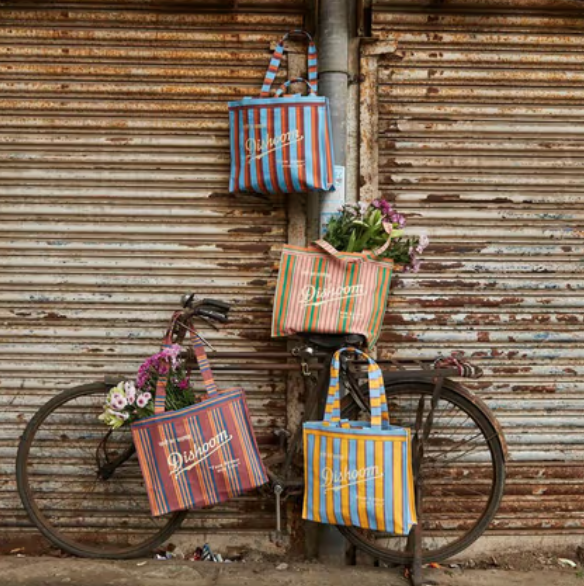
Some of it makes me think, “Ooh nice, I can see those flying.”
Other bits? “Ummm… not convinced.”
So what’s the difference?
Like with pretty much everything, it comes back to the brand’s positioning and values — in other words, the brand’s world. By that, I mean the sum of how a brand looks, speaks, behaves and makes people feel — not just what it sells. When that world is clearly defined, merch can feel like a natural extension of it. When it isn’t, adding apparel and accessories into the mix just looks a bit… random.
There are two key things I think the brands who make merch work all have in common.
First: a strong visual identity.
There needs to be a clear design language and set of parameters that apparel and accessories can comfortably sit within. Merch has to be wearable and desirable in its own right — not just a logo slapped on the “perfect” super-soft tee.
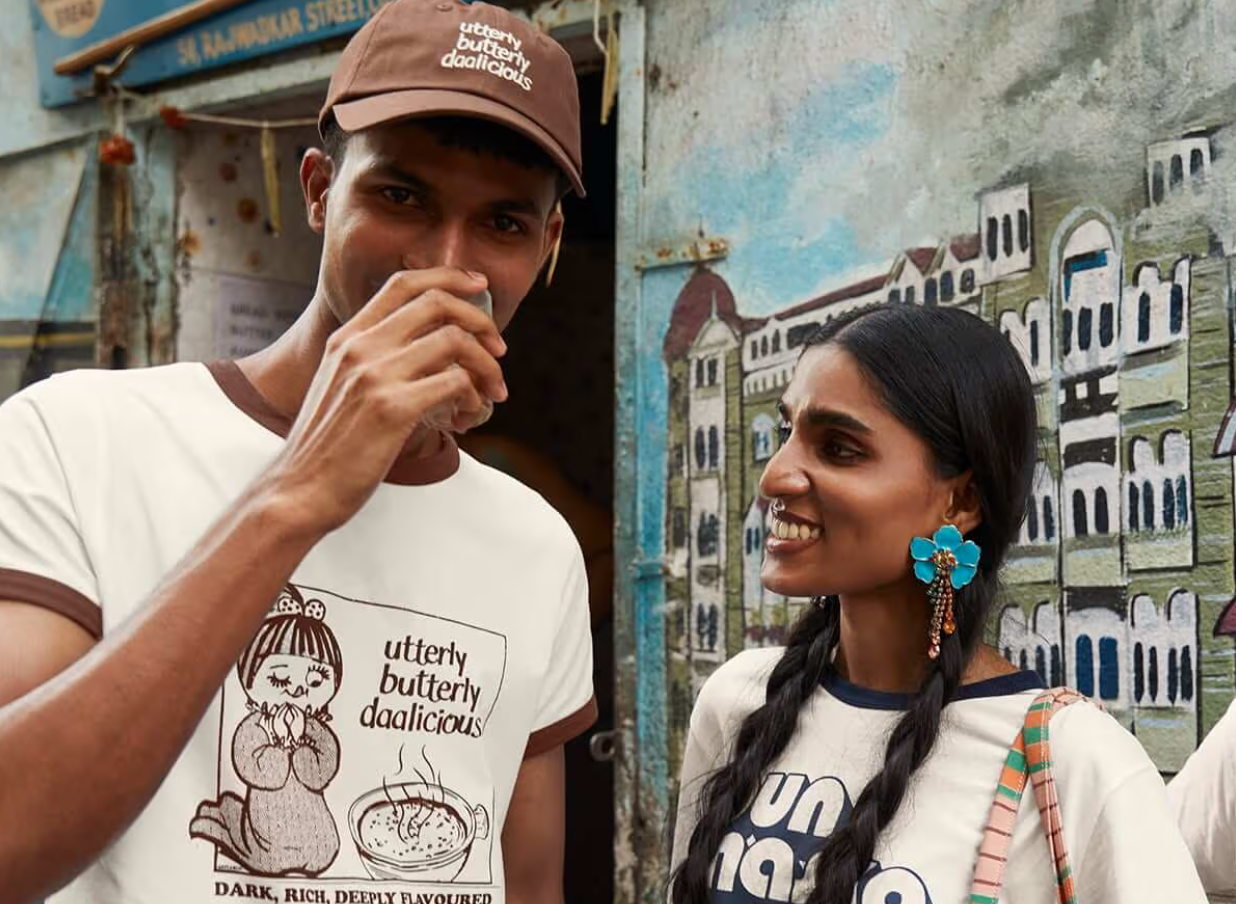
Second: well-established values and a clear audience.
These brands already have some form of cult following — people who would happily say “I love XX brand” or “I’m a XX kind of person.” Their target persona is clear, and the brand stands for something beyond its functional offer.
This is the crucial bit: merch isn’t really about revenue. It’s about identity signalling. People buy and wear branded goods when what they’re carrying sends the right message about who they are, what they value, and where they belong. Without that shared understanding between brand and audience, merch just doesn’t land.
Blank Street is a good example of this done well. The brand has built status and a cult following. Its colour palette is ownable, the in-store experience lends itself naturally to content creation, and while they may not technically be independent, they certainly act like it. Wearing Blank Street merch says something — and that’s exactly the point.
Dishoom’s brand world is even richer. There’s depth of storytelling, cultural connection through the celebration of major religious festivals, a genuine commitment to charity initiatives, and obsessive attention to detail — from the carefully chosen graffiti on the restaurant walls to the imaginative copy on the menus. I even read that one of their marketing managers is being mentored by a novelist to encourage her creativity, rather than a copy specialist. How’s that for fresh thinking? Their merch feels like a natural extension of a brand that already invites people to buy into a story.
Sheerluxe is an interesting one. There’s no doubt they have a hugely loyal community and enormous influence via their editorial team. But does the brand stand for something clearly enough beyond aspirational lifestyle and trend-led content? I’m not entirely convinced — at least not yet. The brand feels broad rather than sharply defined, which could make translating it into physical products tricky. That said, their strength lies in taste-making and curation, so if the merch leans into that confidently, it may well work. Time will tell.
The key takeaway? It’s not enough to create a nice product and hope your logo does the rest. Merch only works when it’s built into a wider brand world that’s already delivering against values that resonate. When brands get this wrong, it often shows up as over-logoed basics, trend-chasing designs, or merch that feels transparently revenue-driven — and people can spot that a mile off.
If you’re considering adding merch to your brand strategy this year, start by looking honestly at your positioning and values. Ask whether you’ve built a mature enough community of genuine brand advocates. If you have, merch can unlock multiple benefits: an added revenue stream, wider brand awareness, and meaningful ways to reward loyalty. If not, you’d be wise to focus on developing a holistic brand world first — and build from there.
If you enjoyed this, I share more thinking on brand, culture and strategy in my newsletter. You can subscribe here.